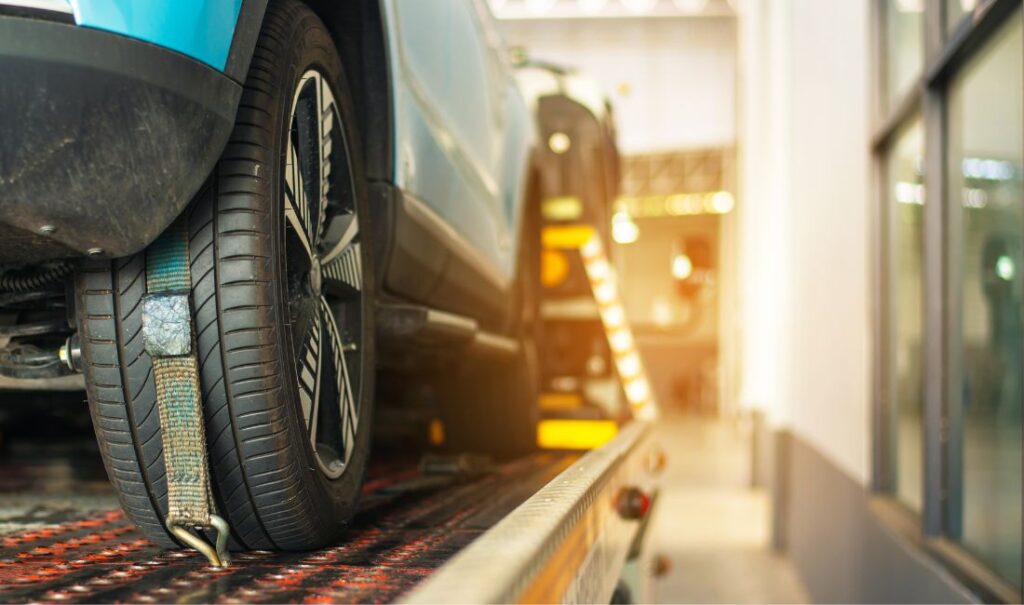
A dead battery at 6:30 before work is frustrating. A breakdown on the Henday after dark, with traffic moving fast and your hazard lights blinking, feels very different. That is when 24 hour emergency towing Edmonton drivers rely on stops being a convenience and starts being a real safety service.
When you need a tow in the middle of the night, after a collision, or during an Alberta cold snap, speed matters. So does the way your vehicle is handled, how clearly pricing is explained, and whether the company can actually solve the problem on the spot instead of automatically towing you away. The right emergency towing service does more than move a vehicle. It helps you regain control of a stressful situation.
What 24 hour emergency towing in Edmonton should actually include
A true emergency towing company is available around the clock, but availability alone is not enough. If a phone line is answered 24/7 yet response times are inconsistent, the service falls short when drivers need it most. In Edmonton, real emergency support means dispatch that moves quickly, drivers who know the city and surrounding areas, and equipment that can handle more than standard breakdowns.
That includes regular car towing, light-duty towing, accident towing, winch-out recovery, motorcycle transport, and careful handling for luxury vehicles. It also means roadside assistance for issues that may not need a full tow at all, like battery boosting, flat tire changes, fuel delivery, and vehicle lockouts. In many cases, the fastest solution is not taking your car to a shop. It is getting you moving again where you are.
This is where experience matters. A stranded driver does not want to explain basic roadside safety or wonder if the operator has handled a low-clearance vehicle before. They want calm, capable help from someone who has seen this situation many times and knows what to do next.
When to call for 24 hour emergency towing Edmonton service
Some situations are obvious. If your engine will not start, your car has been in a collision, or you have slid into a ditch, you need help. Other situations are less clear, and that hesitation can cost time or create more risk.
If your vehicle is disabled in an active traffic lane, on a shoulder with poor visibility, in unsafe weather, or in a location where you feel vulnerable, it is an emergency. The same goes for signs of mechanical failure that make driving unsafe, such as overheating, steering problems, brake issues, or a tire blowout with no safe way to change it.
There are also moments when a tow is the smarter option even if the car still runs. After an accident, a vehicle may appear drivable while hidden suspension or alignment damage makes it dangerous. A luxury or all-wheel-drive vehicle may also require specific towing methods to avoid damage. Trying to save a tow bill can turn into a much larger repair bill.
Why response time matters so much in Edmonton
Edmonton driving conditions change fast. One hour it is dry pavement. The next, freezing rain, black ice, or blowing snow turns a routine trip into a roadside emergency. Winter puts extra strain on batteries, tires, and engine systems, but summer is not risk-free either. Heat, road construction, long-distance travel, and heavy traffic all create breakdown pressure.
That is why local coverage matters. A towing company that knows Edmonton, St. Albert, and nearby Alberta communities can dispatch more efficiently and reach drivers faster. Familiarity with major routes, neighborhoods, industrial areas, apartment zones, and busy commercial corridors saves time when every minute feels longer than it should.
Fast service is not only about convenience. It reduces your exposure to traffic, weather, and uncertainty. If you are parked in a dangerous spot or stranded with children late at night, a quick arrival changes the entire situation.
What a reliable tow experience looks like
The best emergency towing experience is organized from the first call. You should be able to explain your location, your vehicle type, and the issue without being rushed. In return, you should get clear communication about the expected arrival time, the likely service needed, and the cost structure.
Professionalism shows up in small details. The truck arrives equipped for the job. The operator assesses the situation before hooking up the vehicle. The tow method matches the vehicle’s needs. If roadside help can solve the issue, that option is discussed first. If towing is required, the destination is confirmed clearly.
Transparent billing matters just as much as fast service. During a stressful breakdown, nobody wants vague pricing or surprise add-ons after the vehicle is loaded. Fair, upfront communication builds trust quickly, especially when the customer is already dealing with enough.
For many drivers, the most memorable part of the experience is simple human treatment. Being stranded can feel embarrassing, disruptive, and expensive. A calm, respectful operator who explains what is happening and handles the vehicle carefully makes a bad day more manageable.
Roadside help or towing? It depends on the problem
Not every emergency requires transport to a repair shop. If your battery is dead, a boost or replacement may solve it right away. If you ran out of gas, fuel delivery gets you moving faster than waiting for a tow. If you locked your keys in the car, lockout service is the direct fix.
A flat tire sits in the middle. Sometimes a roadside tire change is the best answer. Sometimes it is not. If you are on an unsafe shoulder, in freezing weather, or missing the tools or spare, professional roadside help is safer than trying to handle it yourself.
Then there are recovery situations, which are different from standard towing. A vehicle stuck in snow, mud, or a ditch may need a winch-out before any tow can happen. That requires the right equipment and an operator who knows how to recover the vehicle without creating additional damage.
Special handling matters more than most drivers realize
One of the biggest differences between average towing and quality towing is how the vehicle is handled. That matters for every car, but especially for motorcycles, luxury models, lowered vehicles, and vehicles with drivetrain requirements that limit how they should be towed.
Improper loading angles, rushed hook-ups, or the wrong towing method can damage bumpers, wheels, undercarriage components, and transmission systems. After a breakdown or collision, the last thing you need is new damage caused during recovery.
That is why professional emergency service should never feel careless or improvised. The equipment, loading approach, and tie-down process all need to match the vehicle. For drivers who care about keeping their vehicle protected, careful handling is not a bonus. It is part of the job.
How to make the call go faster
If you need emergency towing, a few details help dispatch get the right help to you quickly. Know your closest intersection, landmark, or direction of travel. Share the vehicle make and model, and mention anything unusual such as being stuck in snow, involved in a collision, or driving a motorcycle or luxury vehicle.
If possible, explain whether the car is completely disabled or if the issue seems like a battery, tire, lockout, or fuel problem. That helps determine whether roadside assistance or a tow truck is the best fit. If you have a preferred repair shop or drop-off location, mention that early.
Once help is on the way, stay somewhere safe. If your vehicle is in a dangerous location and it is safe to exit, move away from traffic. If conditions are unsafe or visibility is poor, call emergency services as needed and follow their guidance first.
Choosing the right company before you need one
Most people search for towing only after something has already gone wrong. That is understandable, but it also means decisions are made under pressure. If you drive regularly in Edmonton, it helps to know what to look for before an emergency happens.
Look for a company that offers full 24/7 coverage, not limited hours with after-hours gaps. Make sure it handles both towing and roadside assistance. Check whether it can recover stuck vehicles, transport motorcycles, and manage accident scenes. If you own a premium or specialty vehicle, careful handling should be clearly part of the service.
Just as important, choose a local provider that treats urgent calls with urgency. A dependable company like X Towing & Recovery INC is not only there to tow. It is there to problem-solve, protect your vehicle, and help you get through a difficult moment with less stress and more confidence.
No driver plans for a roadside emergency. But when it happens, the right help should feel steady, skilled, and close by – exactly what you need when the road suddenly stops cooperating.